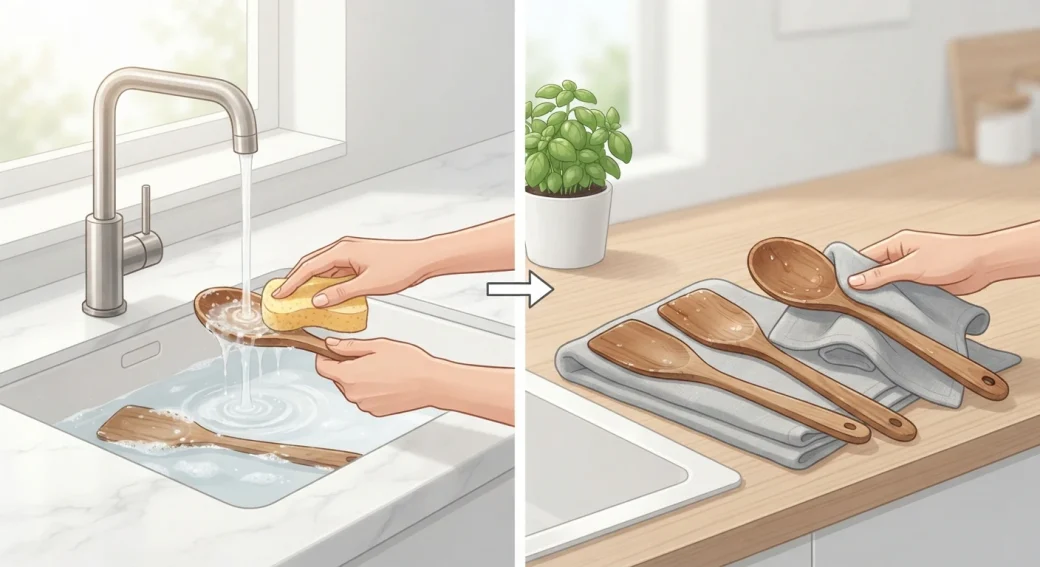
Knowing how to clean wooden cooking utensils comes down to two habits: be quick, and be gentle. Wash each spoon by hand in hot, soapy water soon after cooking, rinse it well, then stand it upright to air dry. That covers most days. The rest of this guide handles the harder jobs, like stains, smells, greasy handles, raw-meat cleanup and the occasional moldy spoon.
Wood is porous, so it behaves nothing like steel or silicone. It soaks up water, colour and flavour, and it can crack if it sits in a sink or goes through a hot dishwasher cycle. If you’re still deciding what to buy, our broader walkthrough of wooden cooking tools covers types and choosing. This page sticks to cleaning and care.
How to Clean Wooden Cooking Utensils Every Day
Most of the work happens in the first few minutes after cooking. Food that’s still wet wipes off easily, while dried-on sauce turns into a stain you have to scrub for. A short, steady routine is kinder to the wood than an occasional heavy clean.
How to Clean Wooden Cooking Utensils by Hand, Step by Step
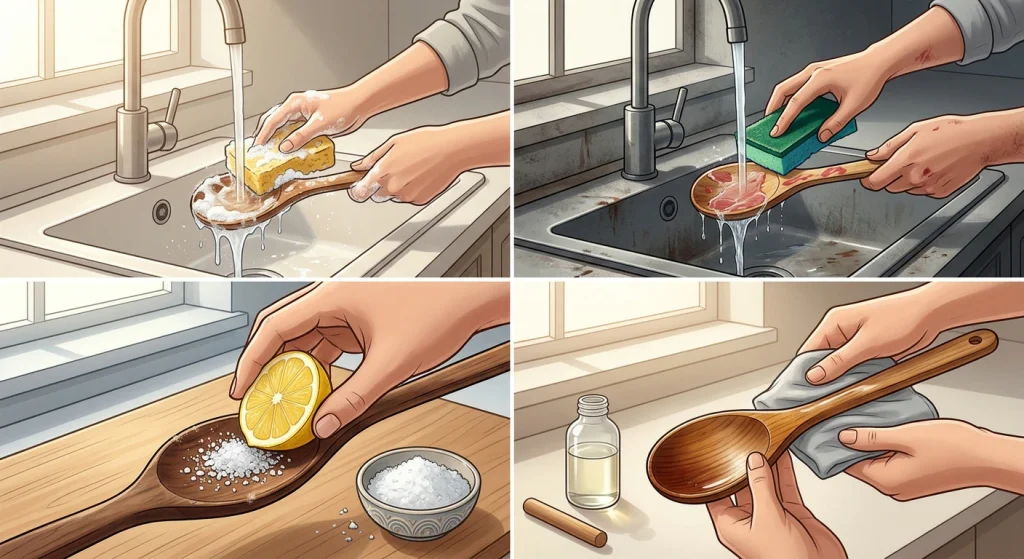
Here’s the everyday method. It follows the hot-soapy-water, rinse and dry routine the USDA describes for wooden cutting boards, scaled down to spoons, spatulas and ladles. It takes about a minute per tool.
- Scrape off leftover food with a paper towel or the edge of another spoon.
- Wash with hot water and a little mild dish soap, using a soft sponge or a nylon brush.
- Rinse under running water until the suds are gone.
- Pat the utensil dry with a clean towel.
- Stand it upright in a rack or jar so air can reach every side, and leave it until it’s completely dry.
How to Clean Wooden Cooking Utensils Without Soaking Them
Soaking is the habit most worth dropping. Which? warns that soaking opens cracks in wood, and cracks can harbour bacteria. If something is stuck on, rinse the spoon under hot water, then rest a damp cloth over the spot for a minute or two before scrubbing. A few minutes is plenty. Never leave a spoon in the sink overnight.
How to Clean Wooden Cooking Utensils After Cooking Meat
Raw meat and poultry change the rules a little. Michigan State University Extension advises washing boards, knives and other surfaces that touch raw poultry with hot, soapy water. The same logic applies to your spoons: wash the utensil straight away, and don’t use it on cooked food or fresh produce until you have.
How to Clean Wooden Cooking Utensils After Raw Meat: Wash First, Then Sanitize
Order matters here. A 2026 University of Arkansas Division of Agriculture study looked at salmonella on unfinished wood. Scrubbing for 30 seconds with soapy water cut it by 83 percent, and sanitizers used after cleaning reached 93 to 99.8 percent. It was produce-packinghouse research, not a test on spoons, but the lesson carries over: sanitizer works best on a surface that’s already clean.
How to Clean Wooden Cooking Utensils That Are Stained or Smelly
Garlic, onion, curry and tomato sauce all leave a mark on wood. Colour and smell aren’t automatically signs of bacteria, though. A cleaning expert quoted in an AOL guide points out that the tomato-and-garlic scent on a well-used spoon is staining, not germs. Still, nobody wants last night’s curry in this morning’s porridge.
How to Clean Wooden Cooking Utensils with Baking Soda
Baking soda has the best evidence behind it. America’s Test Kitchen stood six new wooden spoons in chopped raw onions for 30 minutes, then cleaned each one a different way, including detergent, vinegar, bleach and lemon with salt. Only the baking soda spoon passed the sniff test. The kitchen explains that baking soda neutralizes the weak organic acids behind many odors.
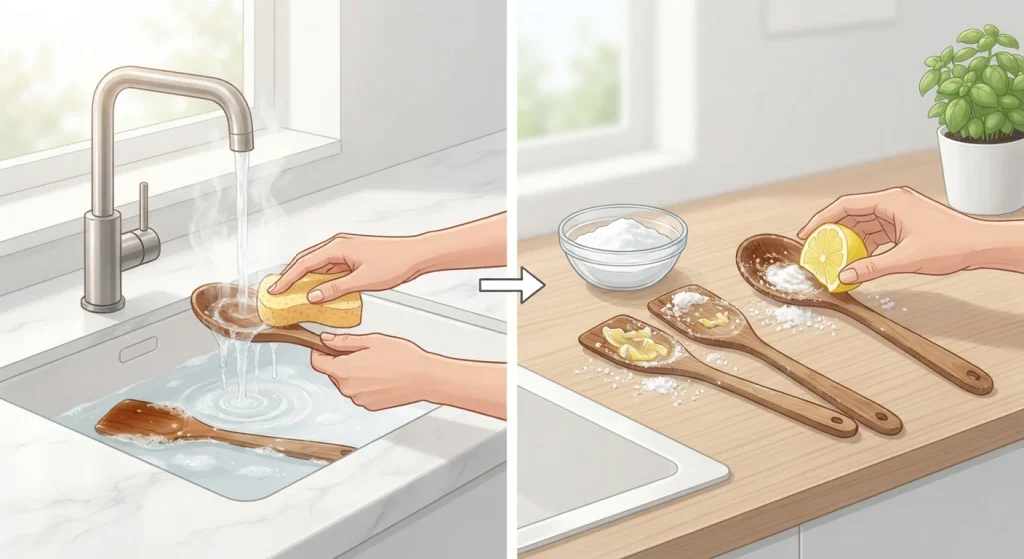
To copy the test, stir 1 tablespoon of baking soda with 1 teaspoon of water into a paste. Rub it over the spoon, leave it for a few minutes, then rinse well and dry. Keep in mind that baking soda deodorizes and lifts stains but doesn’t disinfect, so it’s a smell fix rather than a sanitizing step.
How to Clean Wooden Cooking Utensils with Lemon and Salt
Lemon and salt is the classic stain remover for good reason. Sprinkle coarse salt over the stained area, then rub it in with the cut side of half a lemon. The salt works as a gentle scrub and the lemon freshens the wood. Give it a few minutes, rinse everything off, and dry the spoon completely.
How to Clean Wooden Cooking Utensils Stained by Turmeric
Turmeric is stubborn. The usual advice is the same lemon-and-salt or baking-soda treatment, but expect the yellow to fade rather than vanish. Washing the spoon right after cooking helps most, because pigment that hasn’t dried into the grain comes out far more easily. A faint tint is a cosmetic issue, not a hygiene one.
How to Clean Wooden Cooking Utensils with Vinegar
White vinegar helps with smells and with oil that has worked its way into the grain. Homes & Gardens notes that a short water-and-vinegar soak can pull out embedded oil and odors. A gentler route is to wipe or spritz the utensil with vinegar diluted in water, leave it briefly, then rinse. Keep any soak short, and never mix vinegar with bleach.
How to Clean Wooden Cooking Utensils That Feel Greasy or Sticky
Grease and sugar need different handling. For oily film, scrub with very hot, soapy water, then follow with a diluted vinegar wipe if the wood still feels slick. For sticky caramel or syrup, warm water dissolves the sugar before you scrub. Dry the spoon thoroughly afterward, and consider a light coat of oil once the wood has fully dried.
How to Clean Wooden Cooking Utensils and Sanitize Them Safely
Washing removes food and grease. Sanitizing goes a step further and reduces germs. For everyday cooking, soap and hot water is enough. Sanitizing makes sense after raw meat, or when a utensil has been sitting around. If you’ve ever wondered whether wood is hygienic enough for the stove, proper cleaning is a big part of the answer.
How to Clean Wooden Cooking Utensils with Hydrogen Peroxide
A 3 percent hydrogen peroxide solution is a popular choice. Lay the clean utensils on a tray, pour or wipe the peroxide over them, and wait about fifteen minutes before rinsing and drying. This comes from common kitchen-care guides such as MasterClass rather than an official standard, so treat it as a sensible habit, not a guarantee.
How to Clean Wooden Cooking Utensils with a Bleach Solution
The official reference point is the USDA’s food safety guidance on cutting boards. It says wooden and plastic boards can be sanitized with 1 tablespoon of unscented liquid chlorine bleach per gallon of water. Flood the surface, let it stand several minutes, rinse with clear water, then air dry. It’s written for boards, so applying it to spoons is a sensible stretch, not a USDA instruction.
Bleach needs care. Follow the product label, ventilate the room, and never combine it with vinegar, lemon juice, ammonia or other cleaners. The Arkansas researchers also stress that rinse requirements differ between sanitizers, so check the label for yours.
How to Clean Wooden Cooking Utensils Without Soap
You can skip soap for light jobs. Hot water, a baking soda paste, lemon and salt, or a diluted vinegar wipe will handle odors and mild staining. For anything that touched raw meat or heavy grease, though, soap is the better tool. The USDA’s own advice for boards is hot, soapy water after each use.
How to Clean Wooden Cooking Utensils: Drying, Oiling and Storage
Cleaning is only half the job. What you do afterward decides whether the wood stays smooth or turns grey, rough and cracked. Drying and oiling are the two steps people skip most often, and they’re the ones that protect your spoons between washes.
How to Clean Wooden Cooking Utensils and Dry Them Properly
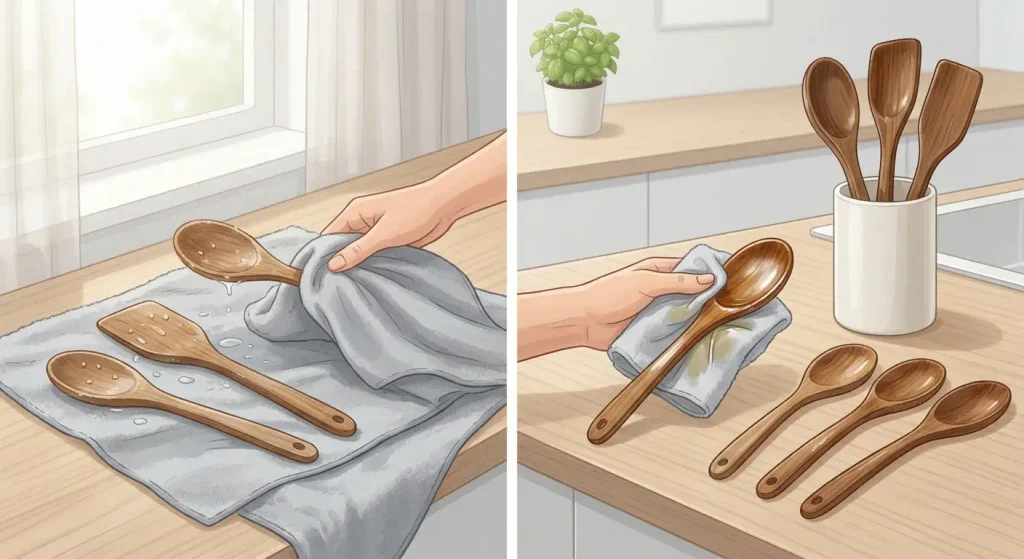
Pat each utensil dry with a clean towel, then stand it upright where air circulates on every side. Don’t put spoons away damp. One consumer guide notes that mold can form on spoons stored before they’re fully dry, or left soaking for a long time. A dry jar or open rack beats a closed drawer.
How to Clean Wooden Cooking Utensils, Then Oil Them
Once a spoon is clean and completely dry, a thin coat of food-grade mineral oil helps it hold moisture. The USDA recommends mineral oil for bamboo boards, and the same idea suits spoons. Skip olive and vegetable oils, which can go rancid. One expert quoted by AOL suggests oiling about once a month. Wipe it on with a lint-free cloth, let it soak in, then buff off the excess.
If you want spoons that shrug off water and wear, the wood matters too. Our guide to which hardwoods tolerate water and wear best explains what to look for.
How to Clean Wooden Cooking Utensils Before Oiling Old Spoons
Older spoons are often dry, grey and thirsty. Wash them, give them a baking soda scrub if they smell, and let them dry fully before any oil goes on. Dry wood can drink a lot, so you may need a second coat. Earlywood Designs suggests giving them all the oil they’ll absorb.
How to Clean Wooden Cooking Utensils: Mistakes to Avoid
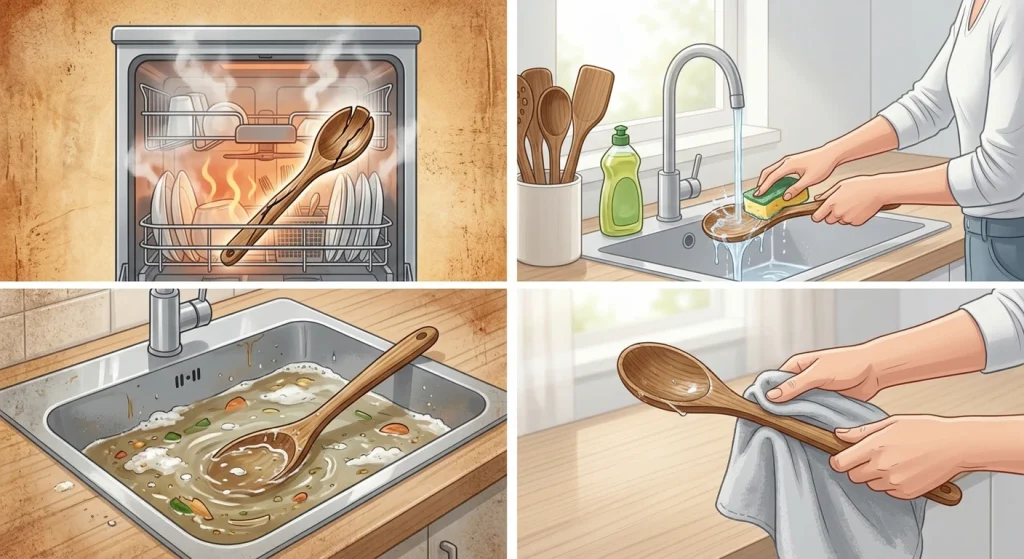
A few popular habits do more harm than good. They feel convenient or thorough, but wood doesn’t tolerate them well. Skipping them will add years to your utensils, and you’ll rarely need a rescue cleaning job.
How to Clean Wooden Cooking Utensils Without the Dishwasher
Which? quotes its dishwasher expert saying the high heat and long cycles can split wood, strip its natural oils and leave spoons dry, rough and more likely to soak up moisture. Splits then become places where bacteria hide. The USDA does allow solid wood cutting boards in the dishwasher, but that’s about boards. For spoons, follow the maker’s care label, and when in doubt, wash by hand. If you’d rather have tools you can toss in the machine, see how silicone stacks up for easy cleanup.
How to Clean Wooden Cooking Utensils Without Boiling Them
Boiling pops up online as a quick deep clean, and Which? mentions it among the social media hacks you’ll see. Food writers who’ve looked at it advise against it, since heat and water are exactly what stress wood. Hand washing, a baking soda scrub or a peroxide rinse does the job more gently. For more of the usual slip-ups, read about the habits that wear wooden kitchenware out early.
How to Clean Wooden Cooking Utensils Showing Mold or Cracks
Sometimes cleaning isn’t the answer. If a spoon has black spots, soft patches or deep cracks, it’s time to stop scrubbing and start shopping. Wood is porous, so surface cleaning may not reach what’s inside, and you can’t see far enough into a crack to be sure.
How to Clean Wooden Cooking Utensils with Mold: Why Replacing Beats Scrubbing
An AOL guide advises throwing out wooden spoons with black spots or soft areas, and Tasting Table says to toss cracked tools because bacteria can collect in the slits. The USDA says the same about cutting boards: discard them once they’re excessively worn or develop grooves that are hard to clean. Condition matters more than age, though one guide suggests replacing spoons every five years or so as a rough benchmark.
How to Clean Wooden Cooking Utensils: How Often Should You Do It?
There’s no official schedule for spoons, so this is a practical routine built from the guidance above. Wash after every use, deodorize when needed, and oil when the wood looks dry. Adjust it to how hard you use your tools.
| When | What to do |
| After every use | Wash by hand with hot, soapy water, rinse, pat dry, stand upright to dry |
| After raw meat or poultry | Wash straight away, then sanitize if you like |
| When smells or stains build up | Baking soda paste, or lemon and salt |
| About once a month | Check for cracks and oil if the wood looks dry |
FAQ: How to Clean Wooden Cooking Utensils
These are the questions that come up most often once the basic routine is in place. Each answer is short, so you can find what you need and get back to cooking.
How to Clean Wooden Cooking Utensils: Can They Go in the Dishwasher?
It’s best not to. Heat and long cycles can split the wood and strip its oils, and the splits can hold bacteria. Check the manufacturer’s care label first, and wash by hand if you’re not sure.
How to Clean Wooden Cooking Utensils Without Baking Soda or Lemon?
Hot, soapy water does most of the work, and a diluted vinegar wipe handles odors. Rinse well and dry the utensil completely. For stubborn smells, baking soda is still the best-tested option, so it’s worth keeping a box nearby.
How to Clean Wooden Cooking Utensils: Are They Harder to Care for Than Metal?
Usually, yes. Which? found wooden boards harder to maintain and clean than plastic ones, and utensils follow similar rules. If you’re weighing the trade-offs, here’s how wood and metal tools compare at the sink.
How to Clean Wooden Cooking Utensils That Still Smell After Washing?
Make a baking soda paste with 1 tablespoon of baking soda and 1 teaspoon of water. Rub it in, wait a few minutes, rinse and dry. America’s Test Kitchen found this beat vinegar, bleach and lemon with salt in its onion-odor test.
How to Clean Wooden Cooking Utensils: The Short Version
Wash by hand soon after use, skip the soak and the dishwasher, and dry your spoons upright. Use baking soda for smells, lemon and salt for stains, and sanitize after raw meat when you want extra reassurance. Oil the wood when it looks dry, and replace anything moldy or cracked. Do that, and good spoons will last for years.


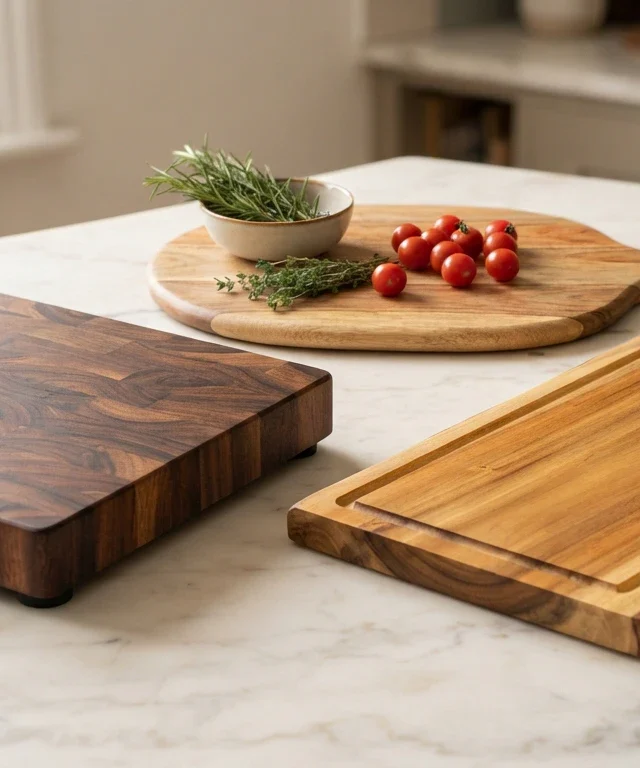
[…] you only need to know how to clean wooden utensils day to day, the everyday washing routine for wooden tools covers that. This article is about the extra step that matters after raw meat, after a bad smell, or […]
[…] Some people prefer to search for how to wash wooden spoons, wash wooden spoon routines or how to clean wood spoon tips, and the advice is the same: wash soon, rinse well and dry. If you want the best way to clean wooden spoons for everyday use, that is it. For how to properly clean wooden spoons or cleaning wooden spoons and cleaning wooden spoon surfaces in more detail, see our everyday washing routine for wooden kitchen tools. […]
[…] soft sponge instead of anything harsh. Stained or greasy spoons need a little extra attention, and a fuller step-by-step cleaning routine covers gentle options like baking soda and coarse […]
[…] the surface and give grime more places to hide. If you want a longer walkthrough, there is a fuller wooden utensil washing routine you can follow alongside this […]
[…] stop wooden tools from splitting, good drying habits make a big difference, and you can read about washing wooden spoons and spatulas the safe way before you put them […]
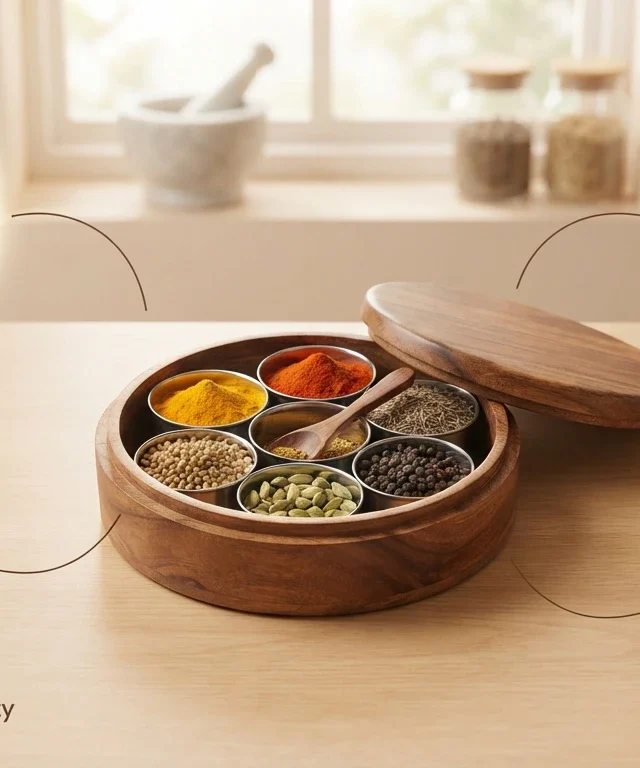
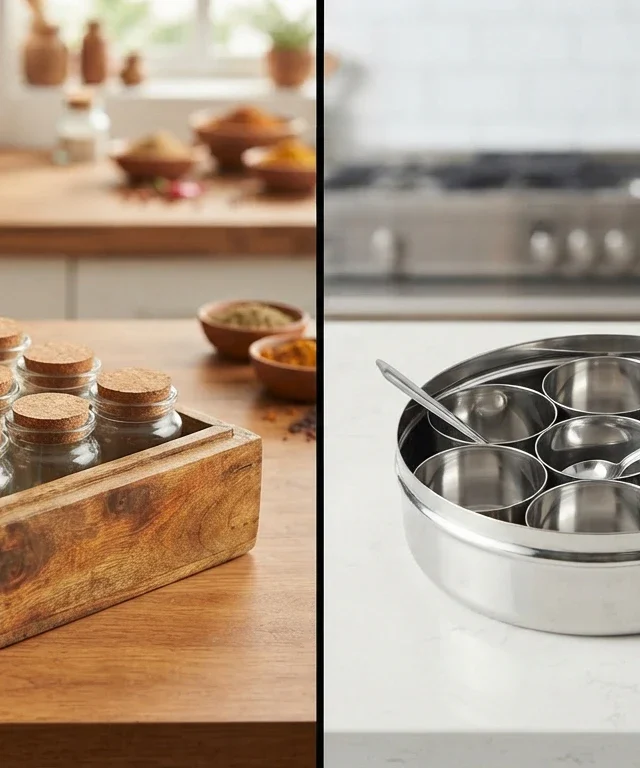
[…] use wooden scoops, spoons, or small trays with your spices, wash and dry them well. Here is how to keep wooden spoons and scoops clean. Never leave them wet inside a spice […]
[…] dry or lightly damp cloth, and let it dry fully before you refill it. Avoid soaking the wood. These simple wood cleaning habits show how to keep wooden kitchen tools tidy. If a strong smell stays in the wood, tips on getting […]